

Exercise Bicycles For Sale
Add a review FollowOverview
-
Founded Date June 30, 2000
-
Sectors Recruting Company
-
Posted Jobs 0
-
Viewed 2
Page Options
-
Title A Step-By-Step Guide To Exercise Cycle From Start To Finish
-
Layout default
-
Content Alignment default
-
Sidebar Position default
-
Custom Widgets Area default
-
Header Styles default
Company Description
A Step-By-Step Guide To Exercise Cycle From Start To Finish
The Benefits and Considerations of Using an Exercise Cycle
Exercise cycles, frequently known as stationary bicycles, have actually become an increasingly popular choice for physical fitness lovers and casual exercisers alike. They provide an unique mix of accessibility, versatility, and low-impact exercise options that can deal with a large range of physical fitness levels. This post explores the numerous advantages of integrating an exercise cycle into your fitness routine, how to select the best one, and addresses frequently asked concerns about this exercise devices.
Table of Contents
- Benefits of Using an Exercise Cycle
- Kinds Of Exercise Cycles
- Selecting the Right Exercise Cycle
- Safety and Considerations
- Regularly Asked Questions (FAQs)
- Conclusion
Advantages of Using an Exercise Cycle
Exercise cycles provide a wide variety of advantages, making them an exceptional option for both novices and seasoned professional athletes. Below is a thorough list of these advantages:
| Benefit | Description |
|---|---|
| Low Impact Exercise | Unlike running or other high-impact activities, cycling locations less stress on the joints, making it ideal for people with joint concerns or injuries. |
| Cardiovascular Health | Routine biking improves heart health by strengthening the heart muscle, decreasing high blood pressure, and increasing general endurance. |
| Muscle Tone and Strength | Cycling works major muscle groups, consisting of the quadriceps, hamstrings, glutes, and calves, helping to tone and enhance these areas. |
| Weight Management | An efficient tool for burning calories, cycling can assist with weight loss when combined with a well balanced diet. |
| Convenience | An exercise cycle can be used indoors, permitting exercises regardless of weather. |
| Adaptability | Numerous exercise cycles feature adjustable resistance levels, making them appropriate for users of all physical fitness levels, from newbies to innovative bicyclists. |
| Mental Health Benefits | Exercise releases endorphins, which can lower stress and promote a positive state of mind. Regular cycling can assist enhance psychological well-being. |
| Entertainment Options | Numerous modern-day exercise cycles come equipped with Bluetooth speakers, screens for streaming, or apps for interactive workouts, making working out more satisfying. |
Types of Exercise Cycles
Exercise cycles come in various designs and designs, each dealing with various choices and exercise regimens. Here are the primary types:
1. Upright Bikes
- Description: Similar to a traditional bicycle, users preserve an upright position.
- Best For: Users seeking to duplicate outside biking and focusing on cardiovascular physical fitness.
2. Recumbent Bikes
- Description: These bikes have a larger seat and back support, permitting users to sit in a reclined position.
- Best For: Those looking for convenience, people with back problems, and older grownups.
3. Spin Bikes
- Description: Designed for high-intensity workouts, spin bikes typically have a much heavier flywheel and allow for varied standing positions.
- Best For: Fitness lovers who delight in spin classes or high-performance biking.
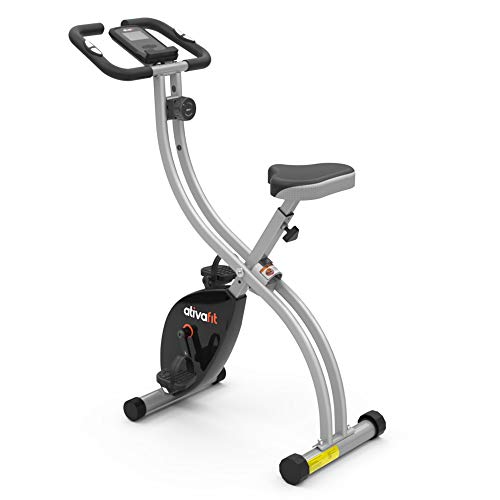
4. Folding Bikes
- Description: Compact models that can be folded for storage, ideal for those with restricted space.
- Best For: Apartment dwellers or anybody trying to find a portable exercise choice.
| Type of Exercise Cycle | Secret Features | Pros | Cons |
|---|---|---|---|
| Upright Bike | Light-weight, compact | Simulates outside cycling | Less comfy |
| Recumbent Bike home exercise (www.marioblackerby.top) | Larger seat, back assistance | Comfortable for long trips | Takes up more area |
| Spin Bike | Heavy flywheel | Extreme workouts, adjustable resistance | Not constantly comfy |
| Folding Bike | Space-saving design | Portable, easy to keep | May lack stability in some designs |
Picking the Right Exercise Cycle
Choosing the ideal exercise cycle depends upon private preferences, workout goals, and budget plan. Here are some aspects to consider:
- Space Availability: Determine the area you have for your exercise cycle. If you have actually restricted space, consider a folding bike.
- Workout Goals: Are you searching for a low-intensity exercise or something more intense? If you choose high-intensity training, a spin bike might be the very best option.
- Spending plan: Exercise cycles can be found in different cost ranges. Set a budget and look for designs that meet your requirements without surpassing it.
- Comfort: Test out different kinds of bikes to find one that feels comfortable. Search for designs with adjustable seats and handlebars.
- Features: Consider additional functions such as heart rate monitors, Bluetooth connectivity, and integrated exercise programs.
Table: Factors to Consider When Choosing an Exercise Cycle
| Factor | Factors to consider |
|---|---|
| Space | Size of the bike, space for usage |
| Exercise Goals | Strength of workouts, type of cycling |
| Spending plan | Price range, warranty options |
| Convenience | Seat quality, adjustability |
| Features | Screens, connection, resistance settings |
Security and Considerations
While exercise cycles are typically safe for a lot of users, there are some crucial tips to keep in mind to ensure optimum security:
- Proper Setup: Adjust the seat height so that your knees are slightly bent at the bottom of the pedal stroke.
- Warm-Up and Cool Down: Always start with a warm-up and end with a cool off to avoid injury.
- Stay Hydrated: Drink water before, during, and after your workout to remain hydrated.
- Listen to Your Body: If you feel any discomfort, stop and evaluate your form. Speak with a professional if essential.
Often Asked Questions (FAQs)
Q1: How frequently should I use my exercise cycle?A1: For general fitness, going for a minimum of 150 minutes of moderate aerobic activity per week is suggested. This translates to roughly 30 minutes of cycling five days a week. Q2: Can I reduce weight utilizing an exercise cycle?A2: Yes! Combined with a well balanced diet plan, routine biking can be a reliable method to burn calories and contribute to weight reduction. Q3: Are exercise cycles ideal for beginners?A3: Absolutely. Exercise cycles can be adapted to cater to various
physical fitness levels, making them best for beginners.
Q4: Do I require unique shoes for cycling?A4: While lots of users prefer cycling shoes for spin bikes, routine athletic shoes are usually sufficient for upright and recumbent bikes. Q5: Can I utilize an exercise cycle if I have joint problems?A5: Yes, stationary bikes are low-impact and typically advised for those with joint problems. However, consult a healthcare professional before starting any brand-new exercise program. Including an exercise cycle into your physical fitness routine is a highly reliable and flexible way to attain your health goals. With various benefits, numerous types to match various preferences, and important factors to consider for
security, exercise cycles stand apart as an important piece of fitness devices suitable for almost everybody. Whether you’re seeking to enhance cardiovascular health, reduce weight, or just delight in a convenient indoor workout, there’s an exercise cycle that can fulfill your needs.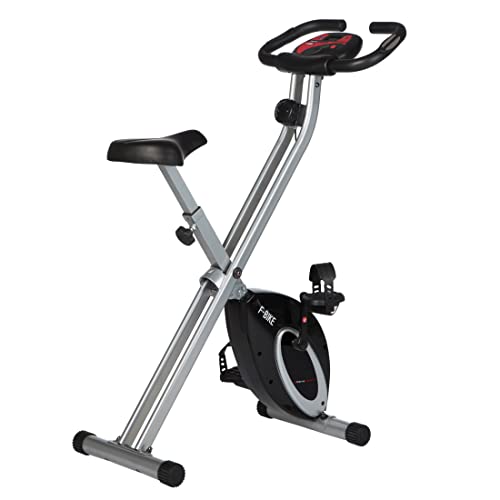
 Wealth Management
 Education and Training