

Manual Folding Treadmill
Add a review FollowOverview
-
Founded Date February 12, 2023
-
Sectors Food Delivery
-
Posted Jobs 0
-
Viewed 2
Page Options
-
Title 11 "Faux Pas" Which Are Actually Okay To Make With Your Non Electric Treadmill
-
Layout default
-
Content Alignment default
-
Sidebar Position default
-
Custom Widgets Area default
-
Header Styles default
Company Description
11 “Faux Pas” Which Are Actually Okay To Make With Your Non Electric Treadmill

The Benefits and Features of Non-Electric Treadmills
In an age controlled by technology, where most physical fitness equipment is powered by electricity, the non-electric treadmill stands apart as a substantial option. Also called self-powered treadmills, these makers offer a distinct experience that combines old-school simpleness with modern fitness requirements. This blog post explores the different advantages of non-electric treadmills, their functions, and how they compare to traditional electric designs.
What is a Non-Electric Treadmill?
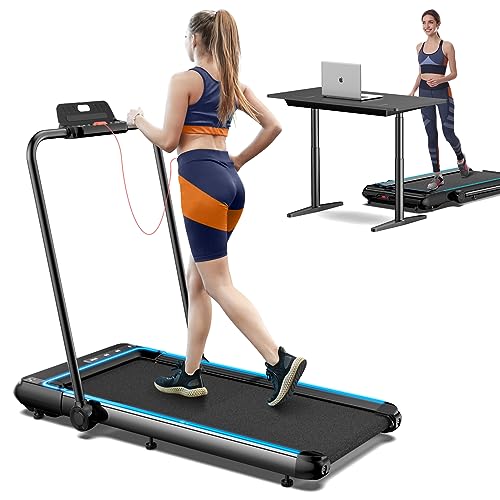
A non-electric Manual Treadmill Price is a kind of treadmill that runs without a power source. Instead of relying on electricity to move the belt, it utilizes the user’s physical effort. As the user strolls or runs, they move the belt forward, making it a vibrant option that offers a different workout experience.
Features of Non-Electric Treadmills
| Function | Non-Electric Treadmills | Electric Treadmills |
|---|---|---|
| Power Source | Self-powered (no electricity needed) | Requires electricity to run |
| Portability | Usually lighter and much easier to move | Heavier and bulkier due to electrical elements |
| Upkeep | Low maintenance, less parts that can break | Higher upkeep due to electrical components |
| Noise Level | Quieter operation, minimal sound | Can create sound due to motor and electronic devices |
| User Experience | Engages more muscle groups, enhancing total physical fitness | Enables pre-set programs and slope adjustments |
| Cost | Usually more cost effective than electric models | Usually more pricey due to complicated technology |
Advantages of Non-Electric Treadmills
1. Cost-Effectiveness
One of the most appealing advantages of non-electric treadmills is their cost. Since they do not need electrical elements, they are typically priced lower than their electric equivalents. This can be particularly appealing for budget-conscious people seeking to purchase home physical fitness equipment.
2. Environmentally Friendly
Without any need for electricity, non-electric treadmills are eco-friendly. They have a very little carbon footprint and are a sustainable choice for those looking to reduce their energy consumption.
3. Versatile Workouts
Non-electric treadmills provide users the capability to alter their workout intensity by adjusting their speed and stride. The lack of pre-set speed choices encourages users to listen to their bodies and find a speed that works for them.
4. Boosted Muscular Engagement
As users propel the belt with their own effort, non-electric treadmills engage more muscle groups, especially the core and legs. This causes higher calorie burn and enhanced overall fitness.
5. Lower Maintenance
With fewer mechanical components that can stop working, non-electric treadmills need less upkeep than electric versions. Users can rely on them for a longer period without fretting about repairs or technical problems.
6. Sound Reduction
The lack of motors and electrical components suggests that non-electric treadmills are quieter, making them ideal for home environments where sound might be a concern.
Selecting the Right Non-Electric Treadmill
When selecting a non-electric treadmill, certain elements must be thought about to make sure ideal efficiency and complete satisfaction:
Key Factors to Consider
| Factor | Description |
|---|---|
| Weight Capacity | Ensure it can accommodate your weight for security |
| Treadmill Size | Think about space available in your house |
| Develop Quality | Search for long lasting products for lasting usage |
| Slope Feature | Some designs offer adjustable incline for range |
| Convenience | Try to find features such as padded handlebars and surface |
| Guarantee | An excellent service warranty can offer assurance |
Popular Non-Electric Treadmill Models
-
Attack AirRunner
- A top option for serious athletes.
- Functions a curved running surface area for boosted biomechanics.
-
Sunny Health & & Fitness Asuna 7700
- Affordable and compact.
- Functions a streamlined style and durable construction.
-
Xterra Fitness TR150
- A versatile alternative ideal for numerous physical fitness levels.
- Compact and easy to use.
-
TrueForm Runner
- Specifically developed for form and effectiveness.
- Appropriate for both walking and running, with a concentrate on natural motions.
Frequently Asked Questions About Non-Electric Treadmills
Q1: Can non-electric treadmills supply a good workout?
A1: Yes, non-electric treadmills engage numerous muscle groups and can provide an outstanding cardiovascular workout, frequently leading to greater calorie burn compared to electric models.
Q2: Are non-electric treadmills suitable for beginners?
A2: Absolutely. Non-electric treadmills can be outstanding for newbies as they allow users to control their speed and strength, making it easier to customize workouts to personal fitness levels.
Q3: Do non-electric treadmills need any source of power?
A3: No, non-electric treadmills do not require any source of power. They run solely based on the user’s effort.
Q4: How much noise do non-electric treadmills make?
A4: Non-electric treadmills are typically quieter than electric designs considering that they do not have motors. However, there may be some noise from the belt and the user’s movement.
Q5: Can I utilize a non-electric treadmill outdoors?
A5: While lots of non-electric treadmills are created for indoor usage, some models are portable adequate to be used outdoors. Always examine the maker’s recommendations for outside usage.
Non-electric treadmills are a feasible option to standard electric models, offering a range of benefits consisting of cost-effectiveness, ecological friendliness, and enhanced engagement of muscle groups. Their simplicity and low upkeep make them an enticing option for anybody aiming to improve their fitness routine without the complexities of electrical elements. By carefully considering the features and designs readily available, individuals can find the perfect non-electric treadmill to fit their workout needs and choices. As the trend towards sustainable fitness continues to grow, these devices are likely to find a more prominent place in home health clubs around the world.
 Wealth Management
 Education and Training