

Portable Ramps For Wheelchair Access
Add a review FollowOverview
-
Founded Date June 26, 1983
-
Sectors Food Delivery
-
Posted Jobs 0
-
Viewed 2
Page Options
-
Title 11 Methods To Redesign Completely Your Portable Ramp
-
Layout default
-
Content Alignment default
-
Sidebar Position default
-
Custom Widgets Area default
-
Header Styles default
Company Description
11 Methods To Redesign Completely Your Portable Ramp
Portable Ramps for Wheelchair Access: A Comprehensive Guide
Access to public spaces and personal homes is essential for people with mobility difficulties. For many, the trouble of stairs can prevent their ability to navigate environments comfortably. This is where portable ramps for wheelchair access entered into play. These versatile options offer a path to enhanced self-reliance, assisting in movement for wheelchair users any place they go. This post looks into the significance, types, advantages, installation considerations, and frequently asked concerns concerning portable ramps.
Comprehending Portable Ramps
Portable ramps for wheelchair access are developed to create a smooth shift from one level to another, such as from the ground to a porch, a car, or even inside a building. They are made from various products, including aluminum, fiberglass, or plastic, and come in different sizes and weight capacities to accommodate numerous wheelchairs and mobility gadgets.
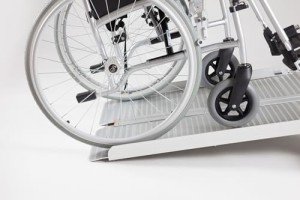
Secret Benefits of Portable Ramps
-
Increased Accessibility: They provide a critical link for people who utilize wheelchairs, scooters, or crutches to access various environments without assistance.
-
Versatile Designs: Portable ramps can be utilized in several settings, such as homes, parking lots, public occasions, and more.
-
Lightweight and Easy to Store: Many portable ramps are developed for simple transport and storage, guaranteeing that users can bring them along wherever they go.
-
Customizability: Various lengths, widths, and weight capabilities make it possible to discover a ramp that satisfies particular needs.
Types of Portable Ramps
Numerous types of portable ramps are offered in the market, accommodating different requirements. Below is a table summing up the main types of portable ramps:
| Type of Ramp | Description | Best Used For |
|---|---|---|
| Folding Ramps | Lightweight ramps that fold in half for easy transportation. | Home entryways, vehicles, occasions |
| Roll-Up Ramps | Made from versatile materials that roll up. | Temporary setups, events |
| Luggage Ramps | Ramps that fold and look like a travel suitcase for ease of transport. | Travel, short-term availability |
| Threshold Ramps | Little ramps created to bridge a tilt or increase (1-4 inches) at doorways. | Doorways, low entry points |
| Multi-Fold Ramps | Large ramps that can fold multiple times for compact storage. | Broader applications and much heavier mobility devices |
Setup and Setup Considerations
When considering making use of portable ramps, there are essential factors to make sure security and ease of access.
-
Length and Slope: The length of the ramp should be proportional to its height. A typical recommendation is a 1:12 slope ratio, meaning one inch of rise needs 12 inches of ramp length. For instance, a 3-inch increase would need a 36-inch ramp.
-
Weight Capacity: Ensure the ramp can support the weight of both the user and the wheelchair. Check requirements for weight limits before acquiring.
-
Material Choice: Different materials offer differing levels of toughness and grip. Aluminum ramps are lightweight and rust-resistant, while other materials like rubber provide additional traction.
-
Surface area Texture: A textured surface area assists prevent slipping, especially in wet conditions.
-
Mobility: If the ramp will be transported frequently, consider the weight and how quickly it can be set up and removed.
Regularly Asked Questions (FAQ)
1. How do I choose the right portable ramp for my needs?
- Examine the height of the action or curb you require to navigate, the weight capacity needed, and how frequently the ramp will be transferred. Step the space for the ramp before buying to guarantee it fits properly.
2. Are portable ramps safe?
- Yes, when utilized correctly, portable ramps are safe. Constantly guarantee the ramp is put securely and that the suitable slope is preserved to prevent accidents.
3. Can I utilize a portable ramp in unfavorable weather?
- While many ramps are designed for outside usage, it’s essential to inspect the specific item information relating to weather condition resistance. Textured surface areas can assist mitigate slipping in damp conditions.
4. Do portable ramps need to be set up permanently?
- No, portable ramps are developed for temporary or mobile usage and do not need irreversible installation, making them adaptable for various scenarios.
Portable ramps for wheelchair access are important tools that promote mobility and independence for people with mobility challenges. By understanding the types, benefits, and crucial considerations for these ramps, users and caretakers can make informed decisions to improve accessibility both in the house and in public spaces. With the ideal portable ramp, browsing the world becomes less challenging and more available for everyone.
Additional Resources
For additional information on portable ramps and to explore more about ease of access solutions, consider going to organizations such as the National Council on Disability [NCD] or the American with Disabilities Act [ADA] website to learn more about requirements and options available.
By making notified options and investing in quality portable ramps, society can take significant strides towards inclusivity, ensuring that everybody is empowered to navigate their environment with self-confidence and ease.
 Wealth Management
 Education and Training