

The Best Robot Vacuum Cleaner
Add a review FollowOverview
-
Founded Date June 4, 1907
-
Sectors Recruting Company
-
Posted Jobs 0
-
Viewed 4
Page Options
-
Title Robot Shop Vacuum Tools To Help You Manage Your Life Everyday
-
Layout default
-
Content Alignment default
-
Sidebar Position default
-
Custom Widgets Area default
-
Header Styles default
Company Description
Robot Shop Vacuum Tools To Help You Manage Your Life Everyday
The Rise of Robot Shop Vacuums: Your Ultimate Cleaning Companion
The landscape of home maintenance has changed drastically over the last few years, largely due to developments in robotic technology. Among these innovations, robot shop vacuums have become a preferred for property owners, DIY enthusiasts, and specialists alike. These autonomous cleaning devices make it possible for users to maintain a clean environment more effectively than conventional vacuum. In this blog post, we’ll check out the functions, benefits, and considerations of robot shop vacuums, offering a detailed guide for anybody thinking about purchasing this technology.
What Is a Robot Shop Vacuum?
A robot shop vacuum is a compact, self-governing cleaning gadget designed particularly for commercial and business environments. Unlike property robot vacuums that focus primarily on carpets and hard floors, robot shop vacuums are engineered to deal with much heavier debris, such as sawdust, metal shavings, and larger particles usually found in workshops, garages, and construction websites.
Key Features of Robot Shop Vacuums
Here’s a table highlighting some vital features to think about when evaluating different designs of robot shop vacuums:
| Feature | Description |
|---|---|
| Suction Power | The strength of the vacuum; measured in pascals (Pa). Higher rankings indicate better efficiency. |
| Dust Bin Capacity | The size of the dust container; larger bins require less regular emptying. |
| Battery Life | Period the vacuum operates on a single charge; normally ranges from 60 to 120 minutes. |
| Navigation Technology | Consists of smart mapping, sensors, and cameras; affects how well the vacuum maneuvers. |
| Filtration System | HEPA filters catch dust and irritants, improving air quality. |
| Wi-Fi Connectivity | Enables push-button control by means of a smart device app for scheduling cleans up and tracking. |
| Size and Weight | The measurements and weight affect portability and ability to browse tight spaces. |
Advantages of Robot Shop Vacuums
Purchasing a robot shop vacuum can significantly boost your cleaning abilities. Here are some significant advantages:
-
Time Savings: Automation allows users to focus on other jobs while the vacuum cleans, making the most of efficiency in busy environments such as workshops or garages.
-
Deep Cleaning: Advanced navigation innovations help ensure extensive cleaning, even in hard-to-reach areas, lowering missed out on locations often left behind by conventional cleaning methods.
-
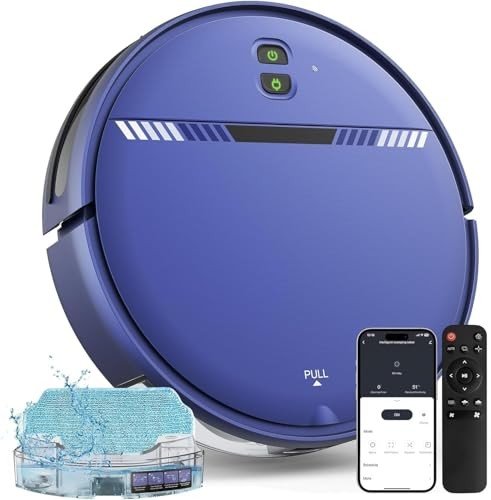
Versatile Cleaning: Capable of dealing with a wide range of particles– from dust to much heavier products– robot shop vacuums are perfect for different settings, consisting of building websites, auto shops, and woodshops.
-
User-Friendly Technology: Most models feature smartphone controls, enabling users to set cleaning schedules and keep an eye on performance remotely.
-
Improved Air Quality: With powerful suction and advanced filtering systems, these vacuums assist trap irritants and particle matter, adding to healthier spaces.
Comparison of Popular Robot Shop Vacuums
To further help readers in their selection procedure, we compare 3 popular models, concentrating on their key features and efficiency.
| Model | Suction Power | Dust Bin Capacity | Battery Life | Navigation Technology | Filtration System | Cost Range |
|---|---|---|---|---|---|---|
| Vacuum A | 2500 Pa | 2L | 90 minutes | smart vacuum cleaner (https://www.kendaaegerter.top/) Mapping | HEPA Filter | ₤ 200 – ₤ 300 |
| Vacuum B | 3000 Pa | 1.5 L | 120 minutes | Sensor-based | Requirement Filter | ₤ 300 – ₤ 400 |
| Vacuum C | 2200 Pa | 2.5 L | 60 minutes | Gyroscopic | HEPA Filter | ₤ 150 – ₤ 250 |
Factors to consider Before Purchase
Before selecting a robot shop vacuum, consumers ought to consider the list below elements:
-
Cleaning Environment: Evaluate the particular cleaning needs based upon the type of debris typically found in your work area.
-
Upkeep Requirements: Regularly cleaning filters and clearing the dust bin is needed for ideal performance. Make sure the model you select is simple to keep.
-
Expense vs. Performance: While high-end designs often feature advanced functions, think about whether these functions validate the cost for your specific needs.
-
Area Dimensions: Measure the area to be cleaned. A vacuum that is too large might not fit into tight corners, while one that is too small might not possess the required power.
-
Smart Features: Decide whether connectivity functions are necessary for your workflow. Some users might discover smartphone integration adds substantial value.
Often Asked Questions (FAQs)
1. How typically should I clear the dust bin of my robot shop vacuum?
The frequency of emptying the dust bin depends upon the cleaning environment and the model’s dust bin capacity. Normally, clearing before each use or after significant cleaning sessions is suggested.
2. Can robot shop vacuums deal with damp particles?
While some designs are designed with wet cleaning abilities, lots of robot shop vacuums are indicated for dry particles only. Always inspect the specifications before usage.
3. Are robot shop vacuums suitable for big areas?
Robot shop vacuums can be reliable in big areas, especially models with effective batteries and advanced navigation systems. Nevertheless, users might need to periodically manually guide the vacuum or recharge it.
4. Do robot shop vacuums deal with carpets?
The majority of robot shop vacuums are enhanced for difficult surface areas, but some models can manage low-pile carpets also. Constantly validate the item requirements to ensure compatibility.
5. How do I preserve a robot shop vacuum?
Maintenance generally includes routine cleaning or replacement of the filters, clearing the dust bin, and keeping the sensing units and wheels clear of debris.
Robot shop vacuums represent the forefront of cleaning technology, offering users with exceptional convenience and efficiency. By understanding the features, advantages, and potential downsides highlighted in this guide, consumers can make educated decisions suited to their cleaning needs. As technology continues to develop, these robotic assistants will likely become important tools in various environments, making cleaning much easier and more efficient than ever previously.
 Wealth Management
 Education and Training